Quick answer
Learn how to check visa approval chances before applying by reviewing the requirements, evidence, travel history, and refusal risks covered in this guide.
A visa cover letter is a short explanation of the trip described by your application. It should connect your purpose, dates, route, funding, accommodation, and reasons to return. It cannot replace the official form or a missing document.
Direct answer: Write the cover letter after you have assembled the main file. State why you are travelling, where you will go, how long you will stay, who will pay, what you do in your country of residence, and which documents support those facts. Then remove anything that does not help the officer understand the application.
This guide is a preparation reference, not legal advice. Requirements vary by destination, visa type, nationality, and place of application. Start with the visa document checklist, then verify the current instructions with the relevant embassy, consulate, immigration authority, or application centre.
Key takeaways
- The letter should clarify the application, not make promises about approval.
- Every date, destination, funding statement, and personal detail must match the supporting documents.
- Explain unusual facts, such as a large deposit or career break, with evidence rather than dramatic language.
- Keep the tone factual and specific to your real trip.
- The official checklist always takes priority over a generic online template.
What should a visa cover letter explain?
A cover letter works best when it answers the same questions the rest of the file raises: why this trip, why these dates, how it will be funded, where you will stay, and what happens after you return. For a Schengen short stay application, the European Commission visa policy and the responsible member state's checklist determine what evidence is relevant.
A useful letter normally covers five areas:
- Purpose: tourism, visiting family, business, study-related travel, or another permitted purpose.
- Itinerary: cities, dates, accommodation, and transport that support the stated main destination.
- Funding: personal funds, employment income, sponsor support, or a combination.
- Personal circumstances: work, study, business, family, or other facts relevant to the return plan.
- Document map: a short list showing where the officer can verify each important statement.
Do not turn this into a personal autobiography. The officer needs a clear application narrative, not every detail of your life.
How should you structure the letter?
Use a simple business-letter structure. Put the date, addressee if known, subject, greeting, short body sections, closing, and signature. A readable structure is more useful than decorative formatting.
Opening
Name the visa type, the purpose of travel, the intended dates, and the country or countries involved. If the trip is for tourism, say so directly. If you will visit a host, attend an event, or meet a business partner, identify that purpose and point to the supporting evidence.
Itinerary and accommodation
Summarise the route without copying every booking field. Explain the main destination and the number of nights in each place. For a multi-country Schengen trip, your route should be consistent with the country responsible for the application. The Schengen visa guide explains the general main-destination rule, but the current authority instructions control the application.
Funding
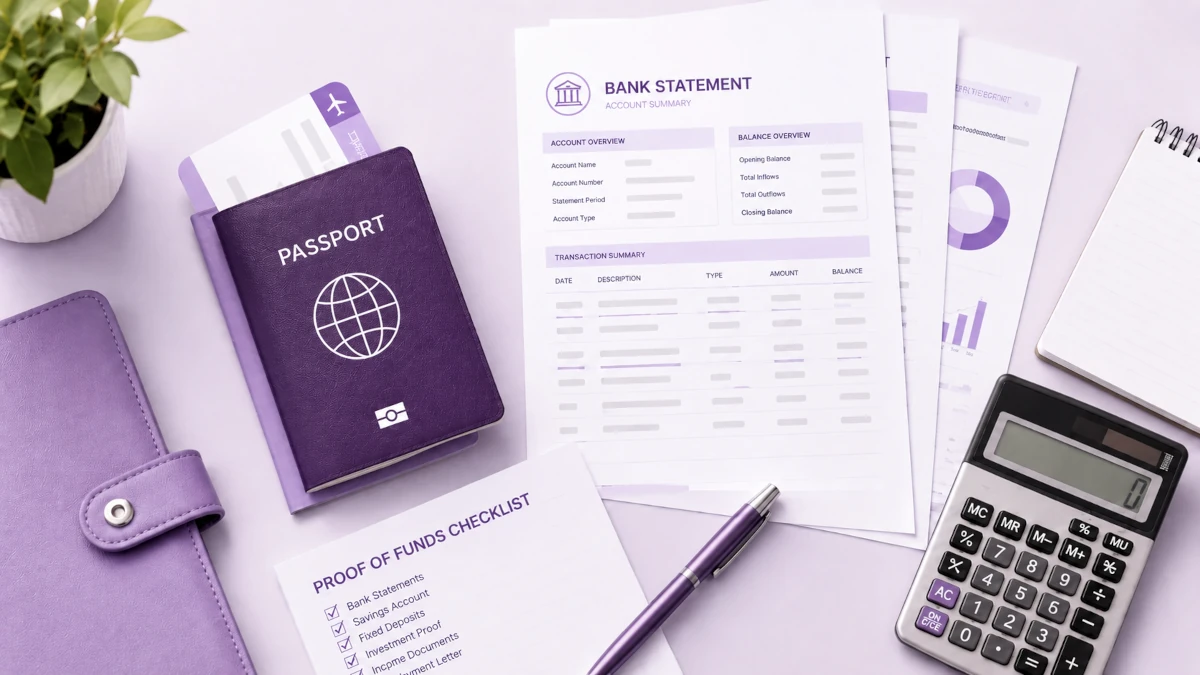
State who pays and how. If you pay personally, connect your income and savings to the trip budget. If a sponsor pays, identify the relationship, the expenses covered, and the sponsor documents included. A bank statement alone does not explain the source of money, so include a short explanation when the account history needs context.
Return circumstances
Describe the real reasons you will return to your country of residence. An employment letter, approved leave, enrolment, business responsibility, family responsibility, or property document may support the explanation when relevant. No single tie guarantees a decision. The value comes from consistency between the claim and the evidence.
Closing
End by listing the main attachments and confirming that the information is accurate. Do not write that the embassy must approve the application, that your case is risk-free, or that a particular document guarantees an outcome.
What should you include when the application has an unusual fact?
An unusual fact is not automatically a problem. An unexplained fact is harder to review. Use the cover letter to point to a document that explains it, not to hide it behind persuasive wording.
Examples include:
- a large deposit shortly before submission;
- a recent job change or approved unpaid leave;
- self-employment without a monthly salary slip;
- a sponsor who pays for only part of the trip;
- a long gap between trips or employment periods;
- a route that changed after an appointment was booked; or
- previous refusal history where the form asks about it.
Write what happened, when it happened, and which document supports it. If you sold an asset, attach the relevant evidence when the checklist permits or requests it. If your itinerary changed, update the related documents rather than leaving old dates in the file.
What mistakes make a cover letter less useful?
Copying a generic template
Templates can help with structure, but copied language often introduces the wrong visa type, destination, dates, or personal circumstances. Replace every example with facts from your application.
Making unsupported claims
Avoid statements such as “I have a guaranteed return,” “my approval is certain,” or “this booking is accepted by every embassy.” A visa officer assesses the full file under the applicable rules. The Visa Approval Predictor is a preparation tool, not an official probability or decision.
Repeating the checklist
The cover letter is not a second inventory of every page. Use it to explain relationships between documents, especially where the route, funding, or personal circumstances need context.
Creating contradictions
Compare names, passport numbers, dates, city order, accommodation, insurance, leave approval, and flight evidence before signing. A typo in the letter can make a correct document look inconsistent.
Overexplaining weak points
Long defensive paragraphs can draw attention away from the facts. Explain the point once, cite the evidence, and let the documents do their job.
How do you check the final cover letter?
Use this review sequence before submission:
- Read the first paragraph and confirm that the purpose and dates are immediately clear.
- Compare every date with the application form, accommodation, insurance, leave approval, and transport evidence.
- Check that the funding explanation matches bank statements, income records, and sponsor documents.
- Confirm that the route supports the responsible authority and the stated main destination.
- Remove promises, emotional appeals, unsupported statistics, and claims about embassy preferences.
- Check translation, signature, file naming, and submission format against the official checklist.
- Keep a copy of the final version that matches the documents submitted.
For a broader review, read the bank balance guide, proof of accommodation guide, and visa interview preparation guide.
Is your bank balance enough for your visa?
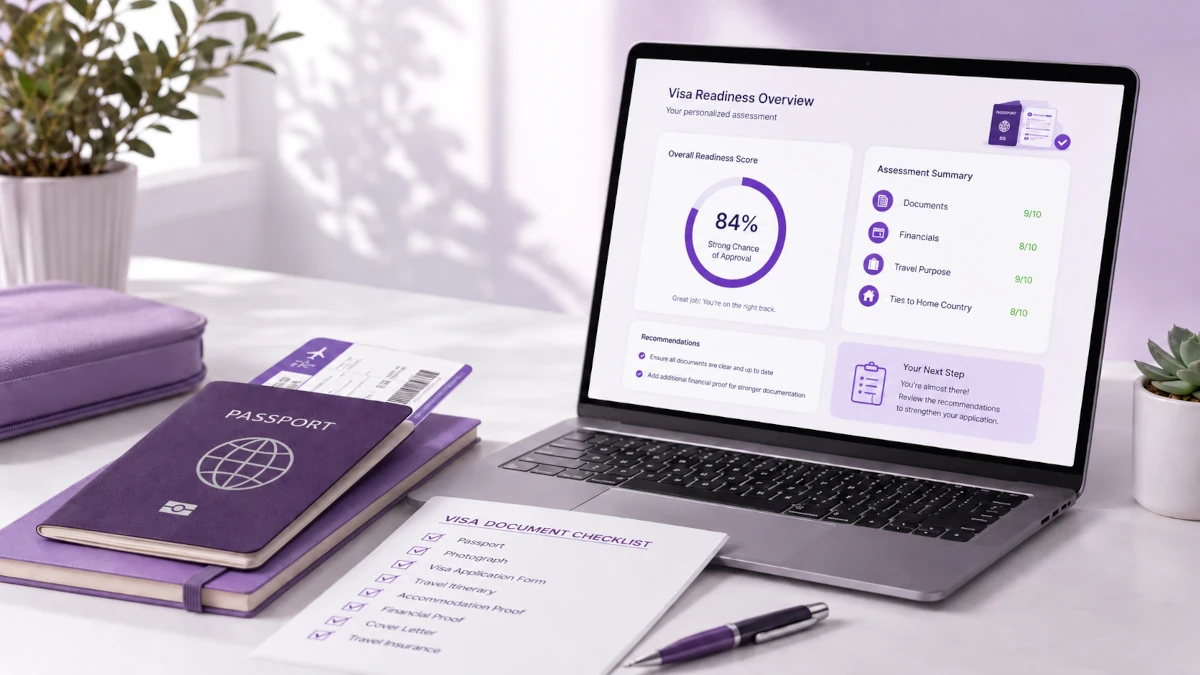
Check your personal approval chances with GetDocuTrip's Visa Predictor. It scores your bank balance against your destination, nationality, employment, and travel history.
Frequently Asked Questions
Should a visa cover letter be one page?
There is no universal page limit. Make it long enough to explain the real trip and short enough to remain easy to verify. The official form and checklist take priority over a preferred page count.
Should I mention a large bank deposit?
If the deposit affects how the trip is funded, explain its source briefly and attach the supporting evidence requested by the authority. Do not use the letter to replace missing financial records.
Can a cover letter fix weak visa documents?
No. It can clarify a genuine situation, but it cannot replace required evidence or make an invented document valid. Correct the underlying gap and follow the current instructions from the responsible authority.
The final decision belongs to the responsible authority. Check the latest official source before paying for travel, submitting documents, or attending an appointment.
Have a question about this article?
Our team reads every question and responds within 24 hours.
Meet the Author

Mentari Rahman
Founder & Travel Visa Expert
A tech leader who has traveled to 38 countries across 4 continents, Mentari has spent over 8 years working in the tech industry. She worked as an SEO Outreach Specialist at Canva and spent 7 years as Country Manager at Financer before founding GetDocuTrip.