Quick answer
Learn how to check visa approval chances before applying by reviewing the requirements, evidence, travel history, and refusal risks covered in this guide.
A visa interview is an opportunity to explain the application in your own words. The safest preparation is to understand your file, not to memorise a script or guess what an officer wants to hear.
Direct answer: Be ready to explain your travel purpose, dates, route, funding, employment or study situation, accommodation, previous travel when relevant, and reasons to return. Answer the question asked, tell the truth, and make sure your answer matches the documents submitted.
Interview rules differ by country and visa type. This guide is preparation information, not a guarantee of approval. Read the visa document checklist and follow the current instructions from the embassy, consulate, immigration authority, or application centre.
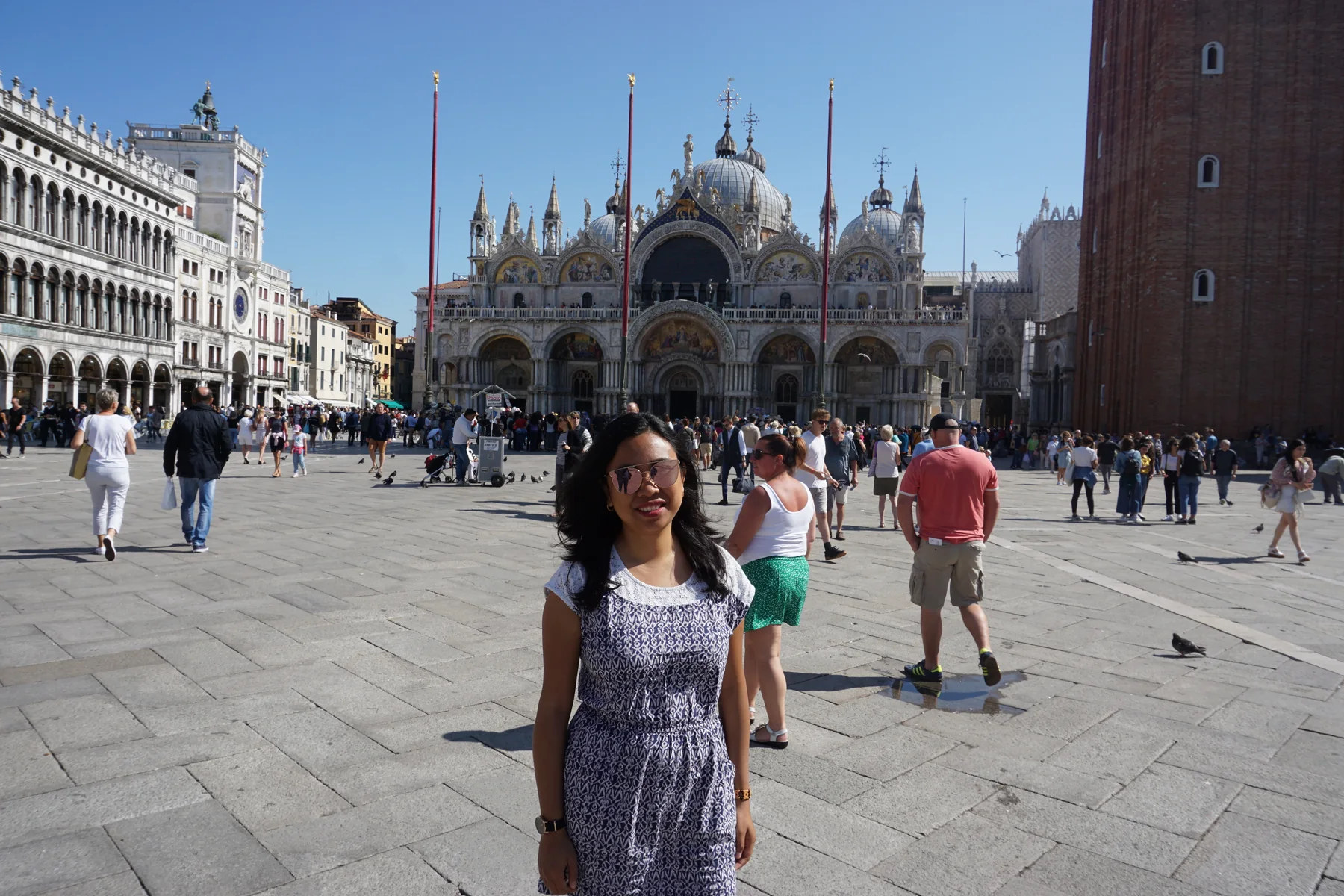
Personal travel photo by Mentari Rahman. It illustrates a travel context and is not evidence of a visa decision, booking, or accommodation.
Key takeaways
- Know the facts in your application well enough to explain them naturally.
- Short, direct answers are usually easier to understand than rehearsed speeches.
- Review dates, route, funding, employment, accommodation, and return evidence together.
- Do not hide a refusal, job change, sponsor change, or itinerary change when the form asks about it.
- Bring the documents requested by the authority, organised and easy to find.
What is the purpose of a visa interview?
An interview allows the authority to ask about the application and compare the answers with the submitted information. The officer may focus on the purpose of travel, temporary intent, funding, prior travel, host or sponsor details, and the consistency of the file. The exact process varies. Some applicants are not interviewed, while other visa categories make an interview a central step.
An interview is not a performance. You do not need an impressive story. You need an accurate explanation of your real plans and circumstances.
For a Schengen short stay application, the responsible authority assesses the conditions in the Visa Code and the facts in the individual file. For the United States, the Department of State explains that applicants must establish eligibility for the visa category and may need to demonstrate ties and intent under the applicable rules. Always use the official source for your destination.
Which questions should you review?
Do not prepare one fixed answer for every application. Review the facts below and practise explaining them in your normal speaking style.
Why are you travelling?
State the real purpose and connect it to your itinerary. “Tourism” is useful only when the route, accommodation, dates, and budget support it. If you are visiting a family member, attending a conference, or meeting a business partner, say so and know which document supports the purpose.
Where will you go?
Know your arrival city, main destinations, accommodation, and departure plan. You do not need to recite every train number. You should know enough to explain why the route is realistic and which country is responsible for the application when a multi-country trip is involved.
Who pays for the trip?
Explain whether you pay personally, receive sponsorship, or share costs. Know the approximate budget and how it relates to your income or savings. If a sponsor pays, understand the relationship, expenses covered, and documents included.
What do you do at home?
Answer with your actual employment, study, business, family, or other circumstances. A freelancer may explain clients and ongoing work. A business owner may explain business responsibilities. A student may explain enrolment and the academic schedule. The point is clarity, not a particular job title.
What will you do after the trip?
Describe the real return plan. Mention work, studies, business, family, or another commitment only when it is true and supported by the file. Never invent a tie because you think the answer sounds stronger.
Have you travelled or been refused before?
Answer the question directly and consistently with the form. A previous refusal is not something to conceal. If the application asks about it, provide the requested facts and be ready to explain what has changed or what the new application addresses.
How do you practise without sounding memorised?
Write the facts in a one-page preparation sheet, then put it away and explain the trip aloud. Use your own words. Ask a friend to interrupt with a follow-up question, because real interviews do not always follow a list.
Record yourself once if it helps you notice answers that are too long or unclear. Do not train yourself to sound artificial. A calm answer that fits the documents is more useful than a polished paragraph that you cannot explain when asked a second question.
Practise numbers that matter: travel dates, number of nights, approximate trip budget, salary or income when the form includes it, and sponsor contribution. If you are unsure of a detail, do not guess. Say that you would like to check the document if the process allows it.
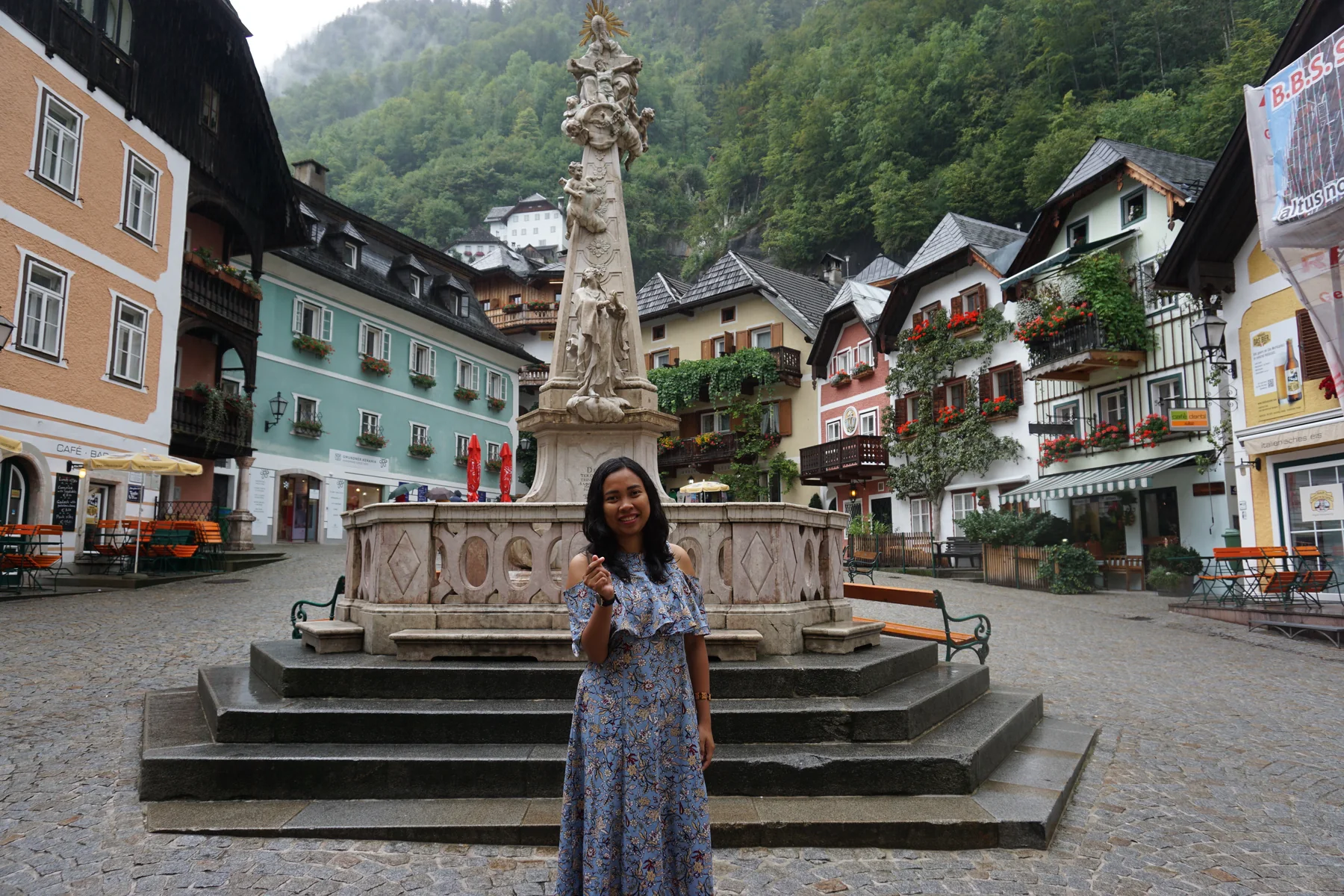
Personal travel photo by Mentari Rahman in Hallstatt. This is an illustration of travel preparation, not a document or an interview result.
What contradictions should you check first?
Compare the following before the appointment:
| Detail | Compare it with |
|---|---|
| Dates | Application form, leave approval, accommodation, insurance, and transport |
| Route | Main destination, city order, hotels, invitations, and cover letter |
| Funding | Bank history, income, sponsor letter, and stated trip budget |
| Work or study | Employer or school letter, leave dates, and return schedule |
| Identity | Passport, application, booking names, and supporting records |
| Purpose | Cover letter, invitation, event details, itinerary, and answers |
A mismatch is not automatically a refusal. It is a reason to understand what happened and correct the relevant document when the authority's process permits it. Do not submit a new story while leaving old dates in the file.
Which documents should you bring?
Follow the appointment notice and current checklist. Common items can include a passport, application confirmation, appointment confirmation, photographs, financial evidence, employment or study evidence, accommodation, insurance, invitation documents, and copies. The exact list depends on the destination and visa type.
Organise documents in the order requested by the authority. Use labelled sections or a simple folder system. Bring originals and copies only when required. Do not assume that a large stack of unrelated papers improves the application.
For travel evidence, read the flight reservation guide and proof of accommodation guide. A genuine reservation can support an itinerary when the official checklist requests it, but it does not guarantee a visa outcome.
What should you avoid during the interview?
Do not invent an answer
A short truthful answer is safer than a detailed answer built from assumptions. If you do not remember a minor detail, check the document when allowed.
Do not argue about the rules
If a requirement is unclear, ask for clarification politely. The interview is not the place to claim that an internet article overrides the authority's instructions.
Do not hide important facts
Refusals, prior overstays, employment changes, sponsor changes, or itinerary changes can matter when the form asks about them. Answer accurately and provide the explanation or evidence required by the process.
Do not overuse confidence language
Statements such as “my visa must be approved” or “I have no risk” do not replace evidence. The Visa Approval Predictor can help you review preparation factors, but it is not an official decision or probability.
Is your bank balance enough for your visa?
Check your personal approval chances with GetDocuTrip's Visa Predictor. It scores your bank balance against your destination, nationality, employment, and travel history.
Frequently Asked Questions
Should I memorise answers for a visa interview?
No. Review your application so you can answer naturally and accurately. Memorised answers can create problems if they do not match your documents or the question asked.
What should I bring to the interview?
Bring the documents listed by the responsible authority, organised so you can find them quickly. Do not assume extra documents can replace an official requirement.
What if my circumstances changed after I submitted the form?
Follow the authority's instructions before the appointment. Some changes require an updated form or document. Do not ignore the change or give an answer that conflicts with the current facts.
Interview procedures change. Check the official embassy, consulate, immigration authority, or application-centre website before attending.
Have a question about this article?
Our team reads every question and responds within 24 hours.
Meet the Author

Mentari Rahman
Founder & Travel Visa Expert
A tech leader who has traveled to 38 countries across 4 continents, Mentari has spent over 8 years working in the tech industry. She worked as an SEO Outreach Specialist at Canva and spent 7 years as Country Manager at Financer before founding GetDocuTrip.