Quick answer
Learn how to check visa approval chances before applying by reviewing the requirements, evidence, travel history, and refusal risks covered in this guide.
A visa timeline should be built around the official submission window, appointment availability, document validity, and the real time needed to correct a gap. A processing estimate is not a guaranteed decision date.
Direct answer: Start by confirming the visa type and responsible authority. Read the current checklist, check when an application may be submitted, monitor appointments, prepare documents in dependency order, and leave room for translations, corrections, additional requests, and delays.
The Schengen visa guide explains general short-stay timing rules. Destination-specific instructions always take priority. This guide is general preparation information, not a promise about an appointment or decision.

Personal travel photo by Mentari Rahman. It illustrates travel planning and is not evidence of a visa timeline, booking, or outcome.
Key takeaways
- Start with the authority, visa type, and permitted submission window.
- Book an appointment early enough to correct documents, but do not submit outside the allowed window.
- Prepare documents with dependencies in mind: identity, purpose, funds, accommodation, insurance, and transport.
- Treat processing guidance as an estimate, not a flight deadline.
- Research flights early and avoid unnecessary non-refundable commitments before the visa decision.
What should you confirm before building a timeline?
First identify the visa category, responsible authority, place of application, and intended travel dates. A tourist visa, family visit, business visa, student visa, and residence permit can use different forms, windows, appointment systems, and processing rules.
Then open the current official website. Check whether the authority uses an embassy, consulate, external application centre, or online portal. Note the checklist version, appointment instructions, fees, photo rules, biometrics, translation requirements, passport collection method, and contact process for additional documents.
For Schengen short-stay applications, the Visa Code generally allows lodging an application no earlier than six months before the intended trip, with special rules for some categories. A normal decision is generally made within 15 calendar days after an admissible application, but the period can extend to 45 calendar days in individual cases or when additional examination is needed. Read the Visa Code and current authority instructions before relying on those general limits.
What is the best order for preparing documents?
Do not start with the easiest document. Start with the facts that determine the rest of the file.
- Confirm identity and jurisdiction. Check passport validity, legal residence, and the authority responsible for the application.
- Define purpose and route. Write the real purpose, dates, cities, accommodation, and main destination.
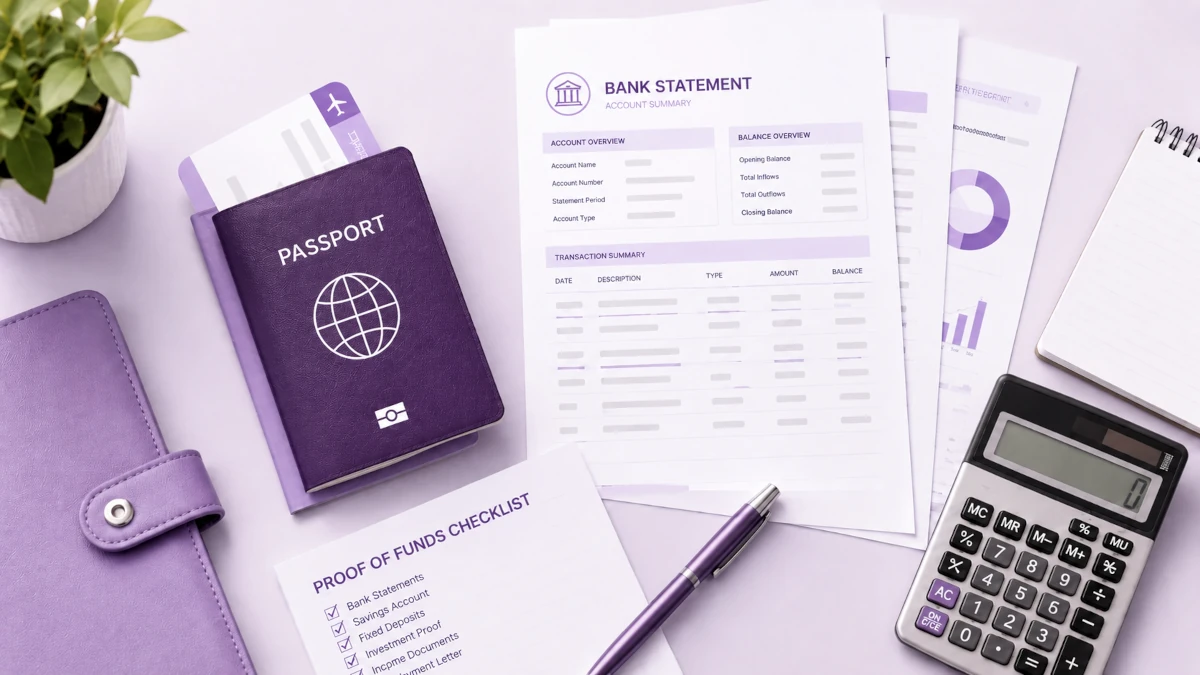
- Check funding. Review income, savings, sponsor support, trip costs, and explanations for unusual transactions.
- Request slow documents. Employment letters, school letters, host forms, certified translations, and business records may take time.
- Arrange insurance. Match dates and territory to the application. Read the Schengen insurance guide when relevant.
- Prepare transport evidence. Use the current checklist to determine whether a reservation, itinerary, or another transport document is required.
- Complete the form last enough to catch changes. Enter facts from the final route and evidence, then compare every field before submission.
This order reduces rework. If the route changes after you buy insurance or prepare a cover letter, several documents may need correction.
How far ahead should you book an appointment?
There is no universal number of days that works for every authority. Appointment supply changes by city, season, application centre, visa category, and local demand. Check the official portal regularly and keep the appointment confirmation.
Book early enough to leave time for a missing bank statement, translation, corrected insurance certificate, or employer letter. Do not book an appointment so early that required documents will be outside the permitted submission window or no longer current.
Some systems release appointments in batches. If the authority explains a release schedule, use that information. Avoid unofficial appointment sellers and never provide account credentials to someone promising access.
How should you plan around processing time?
Use the authority's current processing guidance as a planning input, not a departure guarantee. Count from the point the application is admissible or complete when the authority uses that definition. An appointment date is not always the same as the date a decision period begins.
Build a buffer for:
- incomplete or corrected documents;
- additional document requests;
- security or administrative checks;
- public holidays and weekends;
- passport transfer or collection time; and
- changes to the travel plan.
If missing the trip would create a serious financial or personal problem, choose dates that leave room for uncertainty. The cheapest flight is not useful if it forces you to submit an incomplete application.

Personal travel photo by Mentari Rahman in Singapore. It is a planning illustration, not an official appointment calendar.
When should you arrange flight and accommodation evidence?
Research the route early. Finalise evidence only after checking what the official checklist requests and how long the document must remain valid.
Some authorities request a flight itinerary or reservation rather than a paid ticket. Others may ask for proof of planned transport in a different format. A reservation can support a stated route, but it does not guarantee acceptance or a visa decision. Read the flight reservation guide and proof of accommodation guide before ordering anything.
Never submit an edited PDF, invented booking reference, or cancelled document as if it were current. If a plan changes, update the application materials so the evidence describes the trip you actually intend to take.
What should you do one week before submission?
Run a document reconciliation rather than simply checking whether every file exists.
| Check | Questions to answer |
|---|---|
| Identity | Are names and passport details consistent everywhere? |
| Dates | Do form, leave, insurance, accommodation, and transport show the same trip? |
| Route | Does the city order support the main destination and purpose? |
| Funding | Does the bank history support income, costs, and sponsor explanations? |
| Documents | Are translations, copies, photographs, signatures, and certifications in the required format? |
| Submission | Do you know the appointment location, fee, biometrics, and collection process? |
Keep a final copy of what you submit. If the authority later asks a question, you can answer from the same version rather than reconstructing the file from memory.
What if the trip changes after submission?
Do not improvise. Check the authority's process for corrections, updated documents, withdrawal, or a new application. A change in dates, destination, sponsor, employment, accommodation, or purpose can affect the application.
If the change is minor, the authority may explain what to do. If the change affects the central purpose or route, it may require a different process. Keep written instructions when the authority provides them.
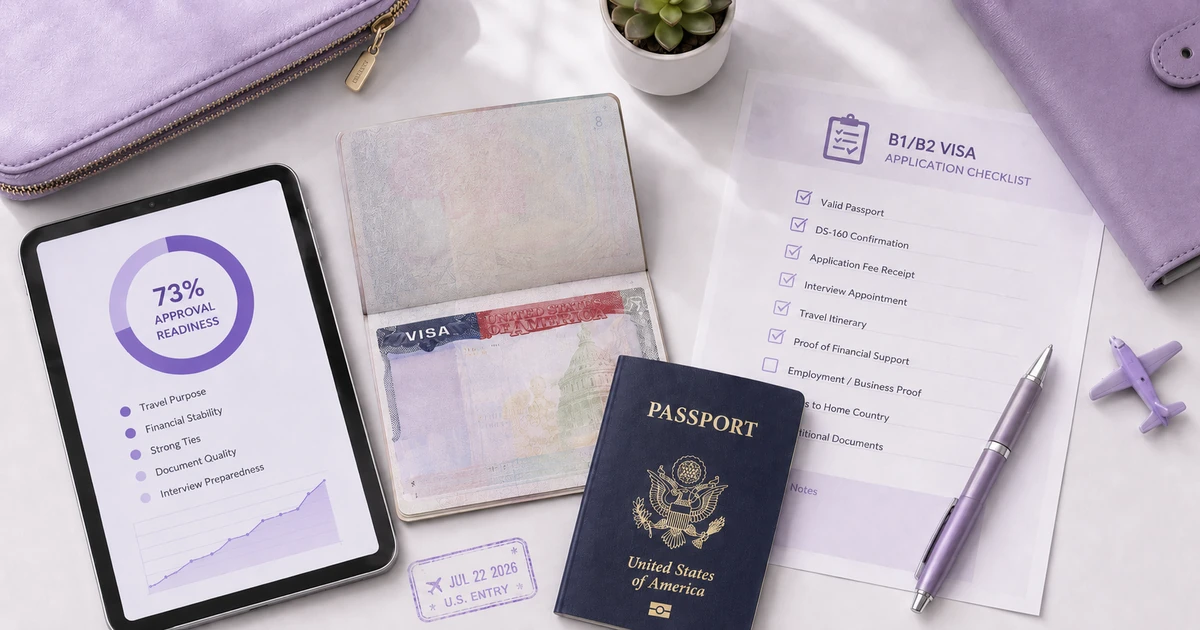
The Visa Approval Predictor can help you review preparation factors before submission. It is not a processing tracker, official probability, or embassy decision.
Is your bank balance enough for your visa?
Check your personal approval chances with GetDocuTrip's Visa Predictor. It scores your bank balance against your destination, nationality, employment, and travel history.
Frequently Asked Questions
Does a processing estimate guarantee a visa decision date?
No. Published processing guidance is not a promise. Appointments, additional review, holidays, document requests, and passport logistics can change the timeline.
When should I buy a non-refundable flight?
Follow the official checklist and your ability to accept the financial risk. Research flights early, but avoid committing to a non-refundable ticket before the visa decision unless the circumstances justify it.
Can I submit a visa application months before travel?
It depends on the visa category and authority. Schengen short-stay applications generally have an allowed submission window, while other categories use different rules. Check the current official instructions.
What if there are no appointment slots?
Use the official appointment system, check the authority's published release information, and contact the official support channel if instructed. Avoid unofficial agents who promise guaranteed slots or ask for account access.
Always check the current official website before booking travel, paying a fee, or submitting an application.
Have a question about this article?
Our team reads every question and responds within 24 hours.
Meet the Author

Mentari Rahman
Founder & Travel Visa Expert
A tech leader who has traveled to 38 countries across 4 continents, Mentari has spent over 8 years working in the tech industry. She worked as an SEO Outreach Specialist at Canva and spent 7 years as Country Manager at Financer before founding GetDocuTrip.